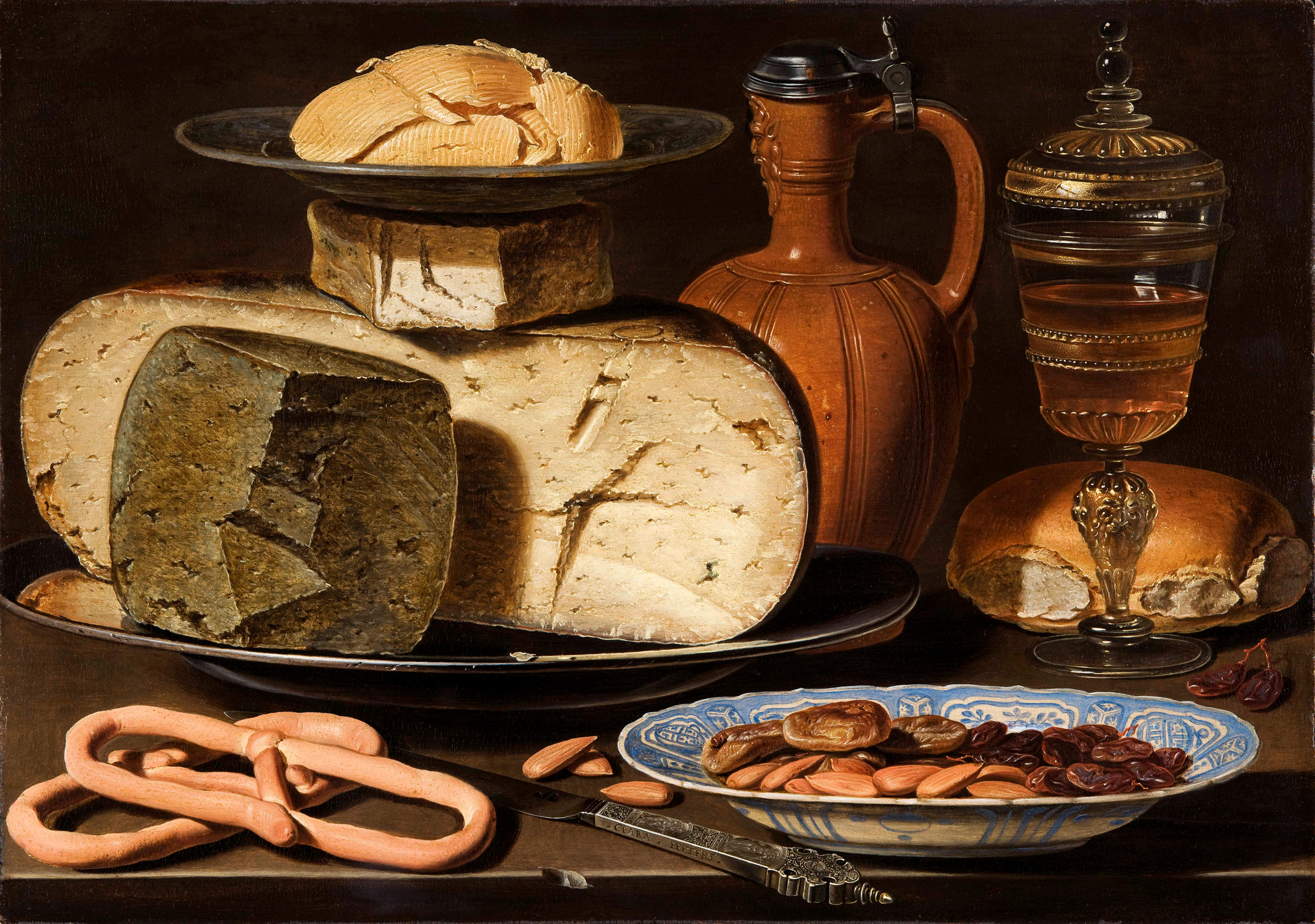
Drawing from the western canon of food in still lives, we are interested in how female artists can utilise food to respond, address and challenge historical narratives and contemporary issues.
Food in still life is a mainstay of art history, we see renditions of the consumed from the ornate tables of 17th century dutch mistresses, to the dynamism of mid century photography, to contemporary practice. Food in itself is a radical realm of practice that is constantly developing, reflecting and evolving within and in-opposition to culture. Moreover, the food which we eat is a way to define individual and collective identity. While food is quintessential to all communities, it has played a particularly defining role in the lives of women.
Traditionally still lifes have been associated with the feminine, both within allegory, subject matter and in spaces of visual consumption. Still lifes as a subject were traditionally dismissed from fine art and hung in the home, particularly the kitchen which has been relegated to a feminine domain and akin to the lesser esteemed Craft. Men as auteur chefs and artists, women as cooks and hobbyists. Food is also bodily and sensorial, aspects positioned in opposition to western cultures’ rationalist philosophy which esteems hyperlogical patriarchy. Exemplified in beliefs that “The act of eating is a destruction of the object with the final aim of incorporating it, and the sexual act is an act of aggression with the purpose of the most intimate union.” (Freud, S. in An Outline of Psycho-Analysis) Opinion toward food and the female body have, and often continue to be, discussed in the same manner: as objects for male consumption.
The foundations and subsequent transformations of food in art is a key power through which we can understand and develop contemporary culture, perceptions and associations. As two female curators, it is our project motivation to acknowledge and champion the underrepresented female voices of the past, present and future; to challenge existing bias and assumptions; to press for further accessibility in the arts and to cultivate space for critical creativity.